


Showing 13 of 112
Articles
Techno on Canvas: Rethinking Audiovisual Practice in the Age of AI
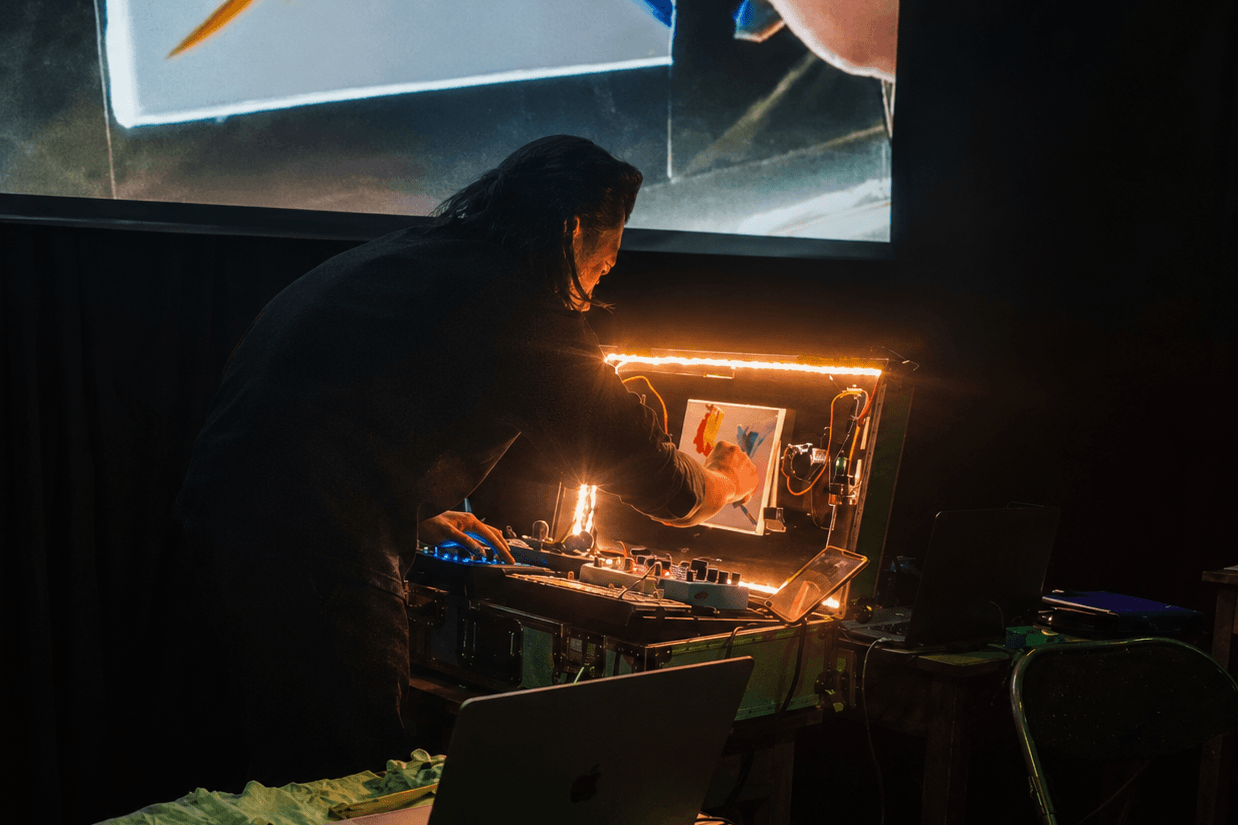
Techno on Canvas brings electronic music, abstract oil painting and instrument-making into one cross-modal performance system. It explores cross-art, cross-medium and cross-body practice, asking why interdisciplinary human creativity matters as AI becomes increasingly multimodal.

The Sound Object — Ambiguity and Presence in the Age of Spatial Sound
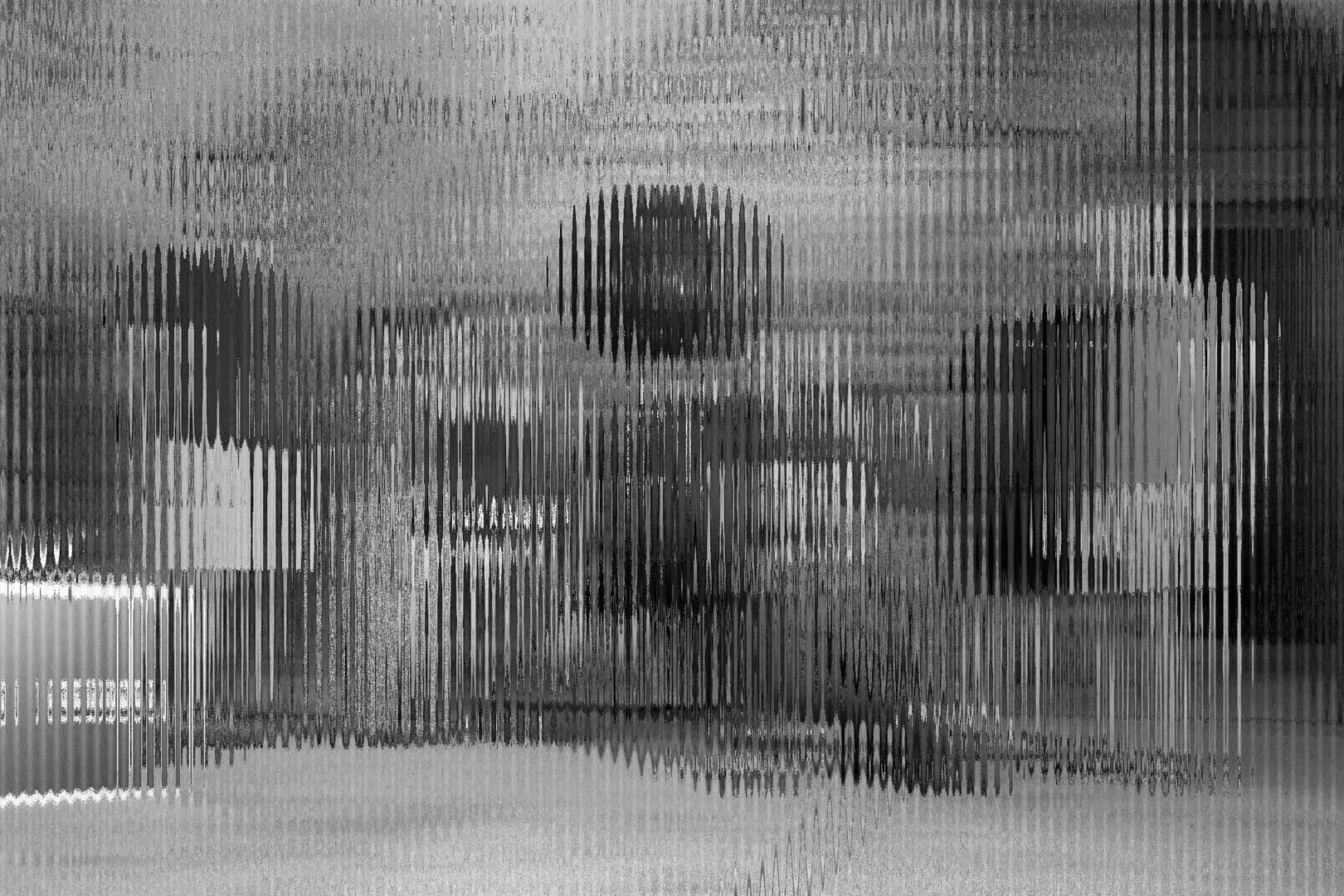
Comparing Volumiphonic Arrays and the Slovox Perun24 at Rencontres Acousmatiques reframes a core question: Is spatial sound an engineering problem or an exercise in perceptual ambiguity? Exploring Patrick Kizny’s space-first and established acousmatic compositions, we examine space as a mediator.


It sounds like someone imagining us
AI music platforms can fake a "Chinese" or "Indonesian" sound in seconds. But can they tell a guqin from a gamelan — or just the surface markers listeners expect? A university class tested two AI platforms and found plenty of the latter, very little of the former.

Building Worlds with Sounding Future
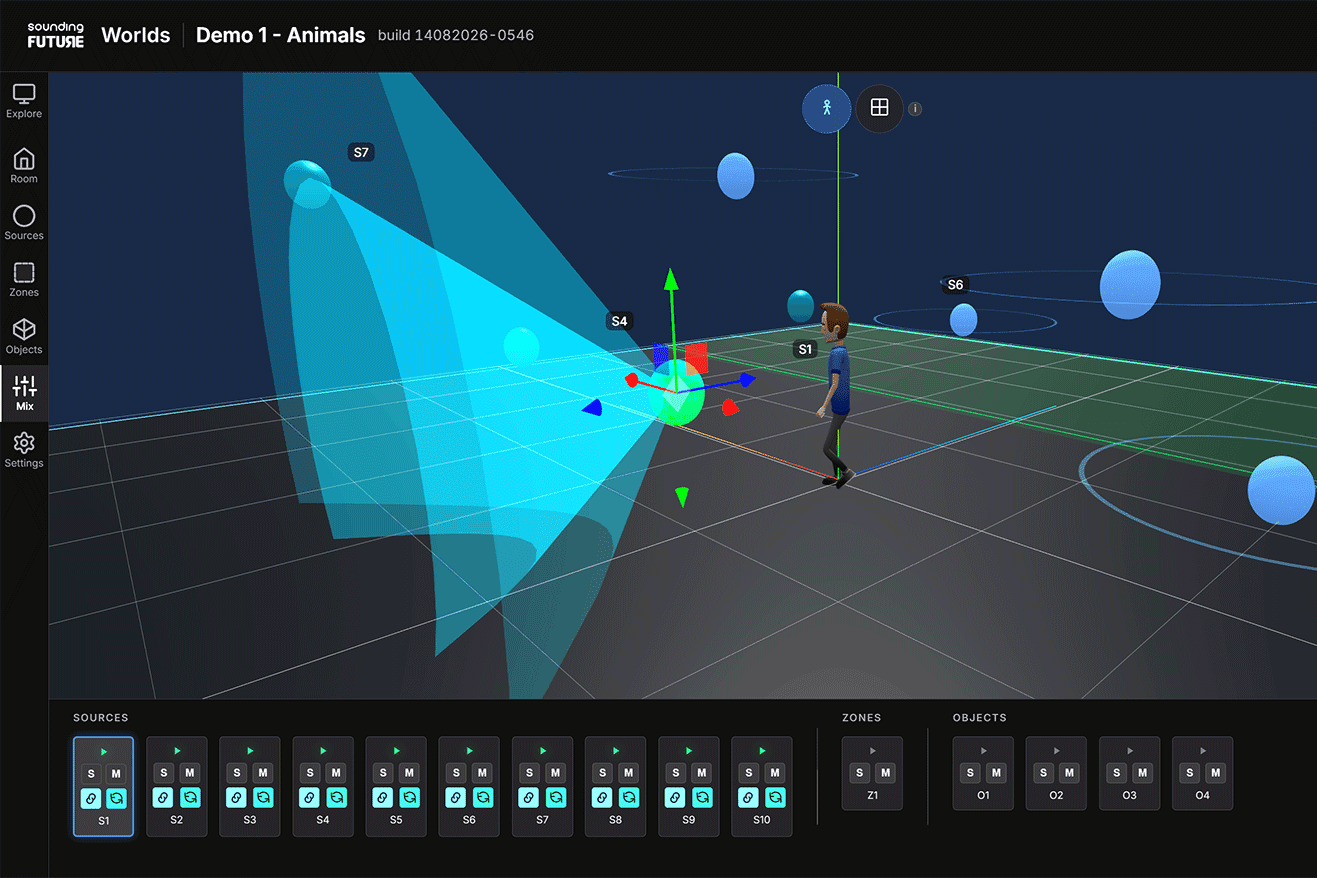
How do you document a walk-through sound installation? From this question, Worlds was born: a browser-based tool by Sounding Future that lets composers and curators build walkable 3D sound worlds – without writing a single line of code.
Sowing the Latent Field: SEMILLA.AI, Sovereignty, and uncovering the Black Box
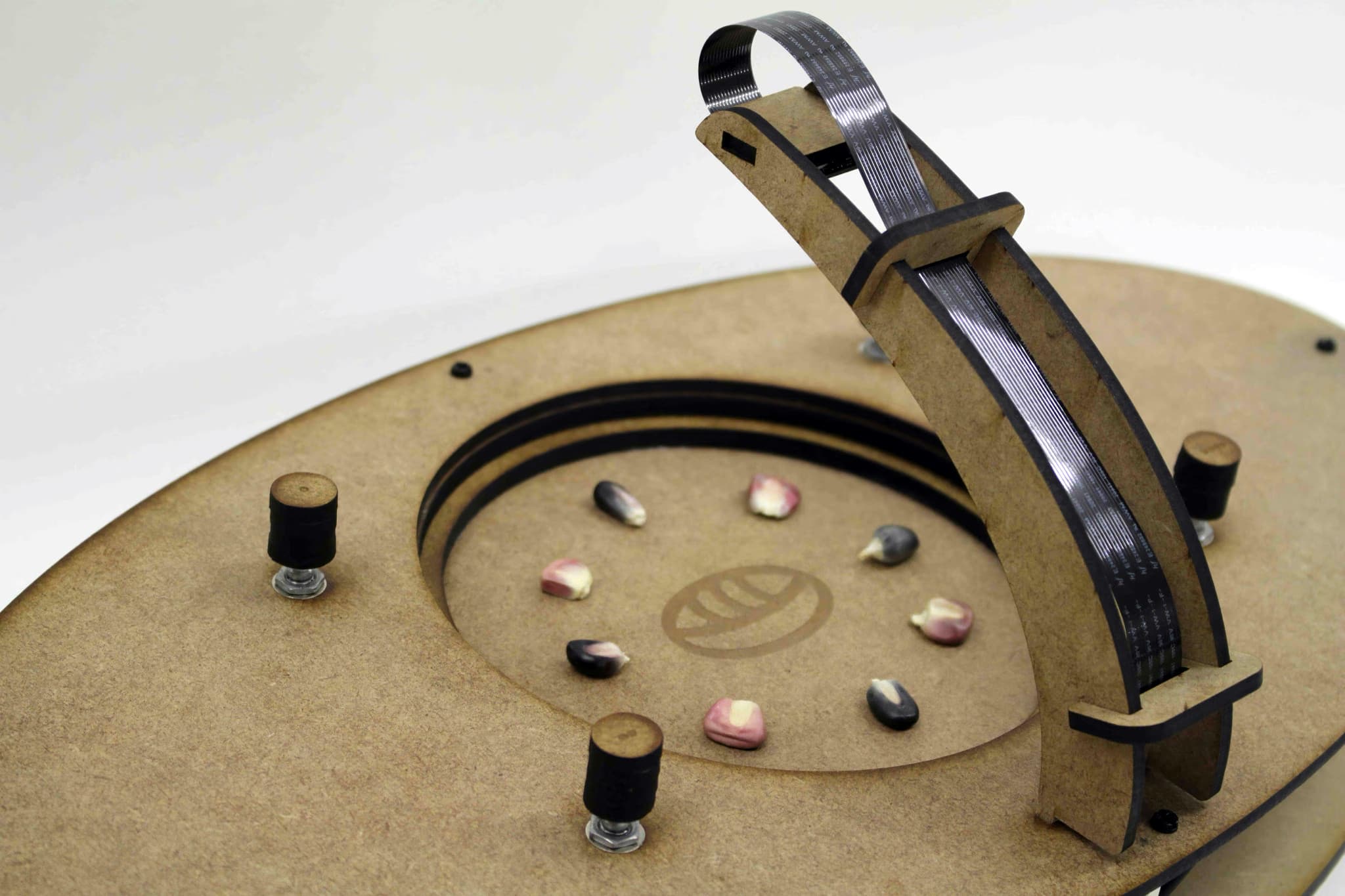
SEMILLA.AI is a neural audio instrument built against the sealed black boxes of commercial AI: named after the Maya seed glyph for zero, trained on small, consented datasets instead of scraped corpora. In version 2, seeds cast into a circular world-space become attractors in a physics simulation that drives the decoder directly — no encoder, no prompt, no sound that has ever existed before. Moisés Horta Valenzuela on artist-owned models, maize divination, and why provenance decides sovereignty in music AI.

The audio solution that was waiting for its problem
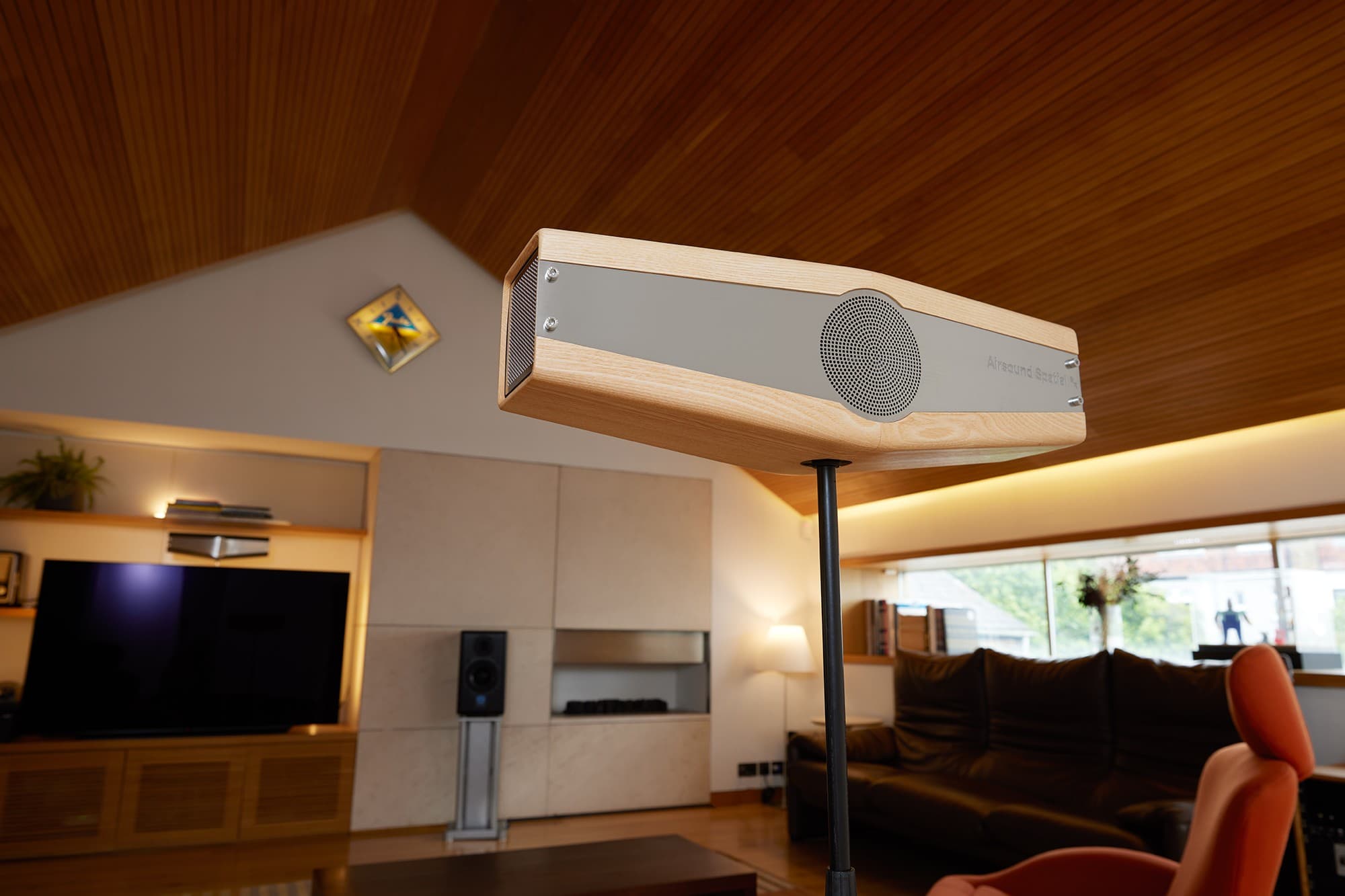
Almost a century ago, Alan Blumlein set out to understand how recorded sound technology could be developed to deliver a lifelike experience of sounds from different directions. Stereo became the practical answer and conquered the world. But the question Blumlein was asking was much bigger, even, than stereo itself.We tend to assume that good ideas in audio arrive ahead of their time. Some do. But a few are not early so much as waiting: complete, correct, and quietly irrelevant until a problem turns up that needs them.The most interesting idea I work with is one of these, and it is almost a century old.

Capturing a Place using Ambisonics
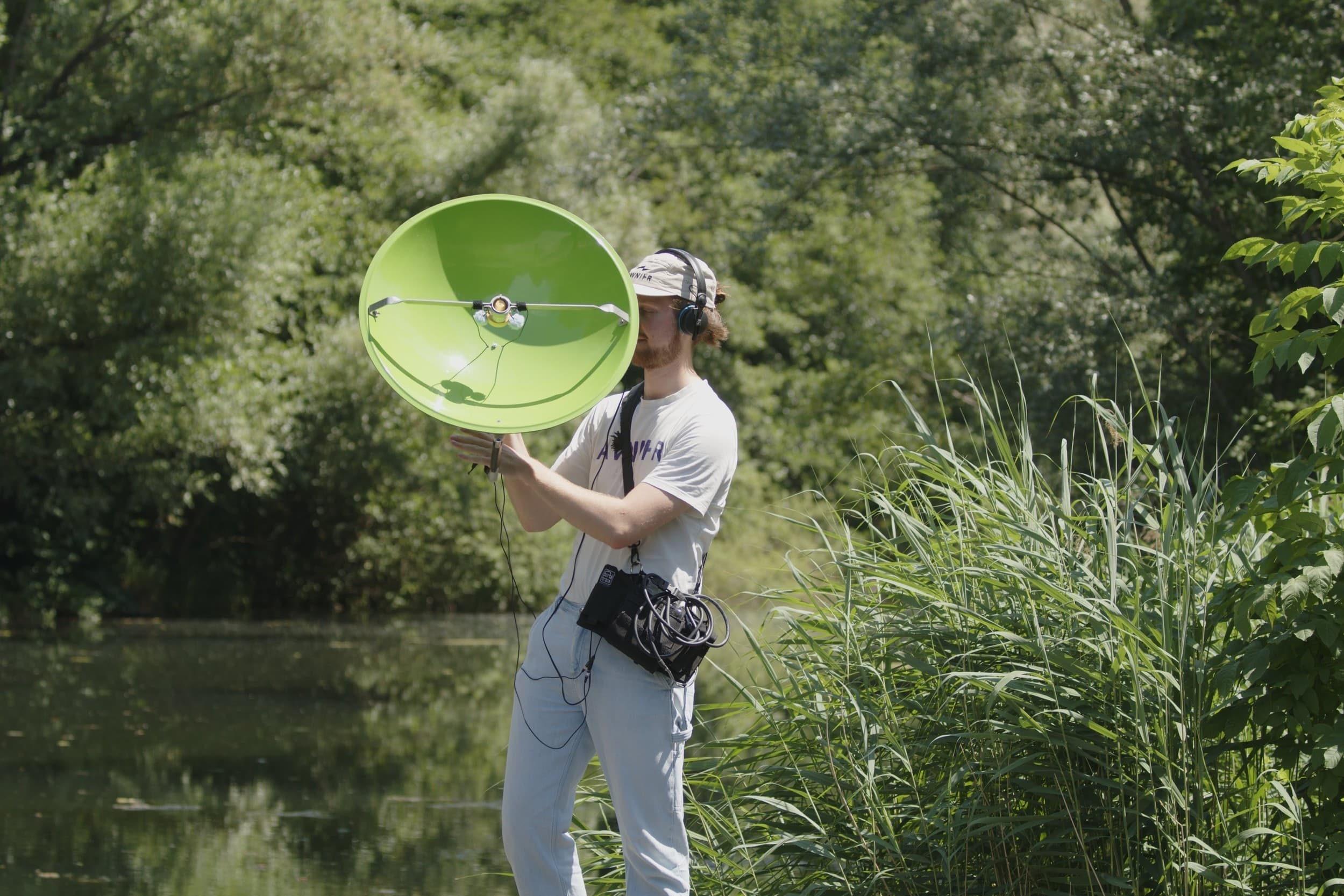
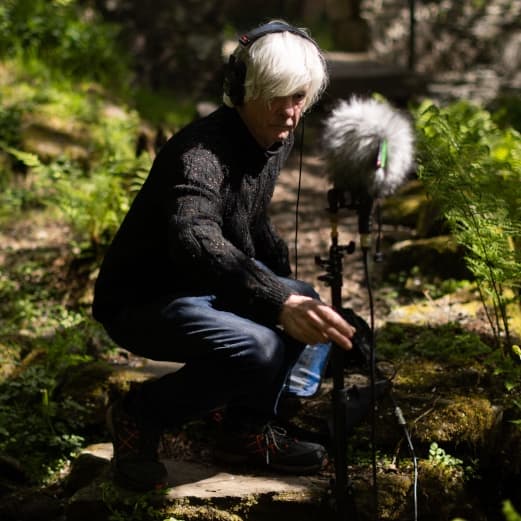
Most of us hear. Very few of us listen. Field recordist John Wills traces the practice of ambisonic capture — from the absence of anthropophony in a Scottish woodland to the eight-speaker studio where those recordings become something else entirely.
Real-Time Spatial Audio Design in Speech Therapy
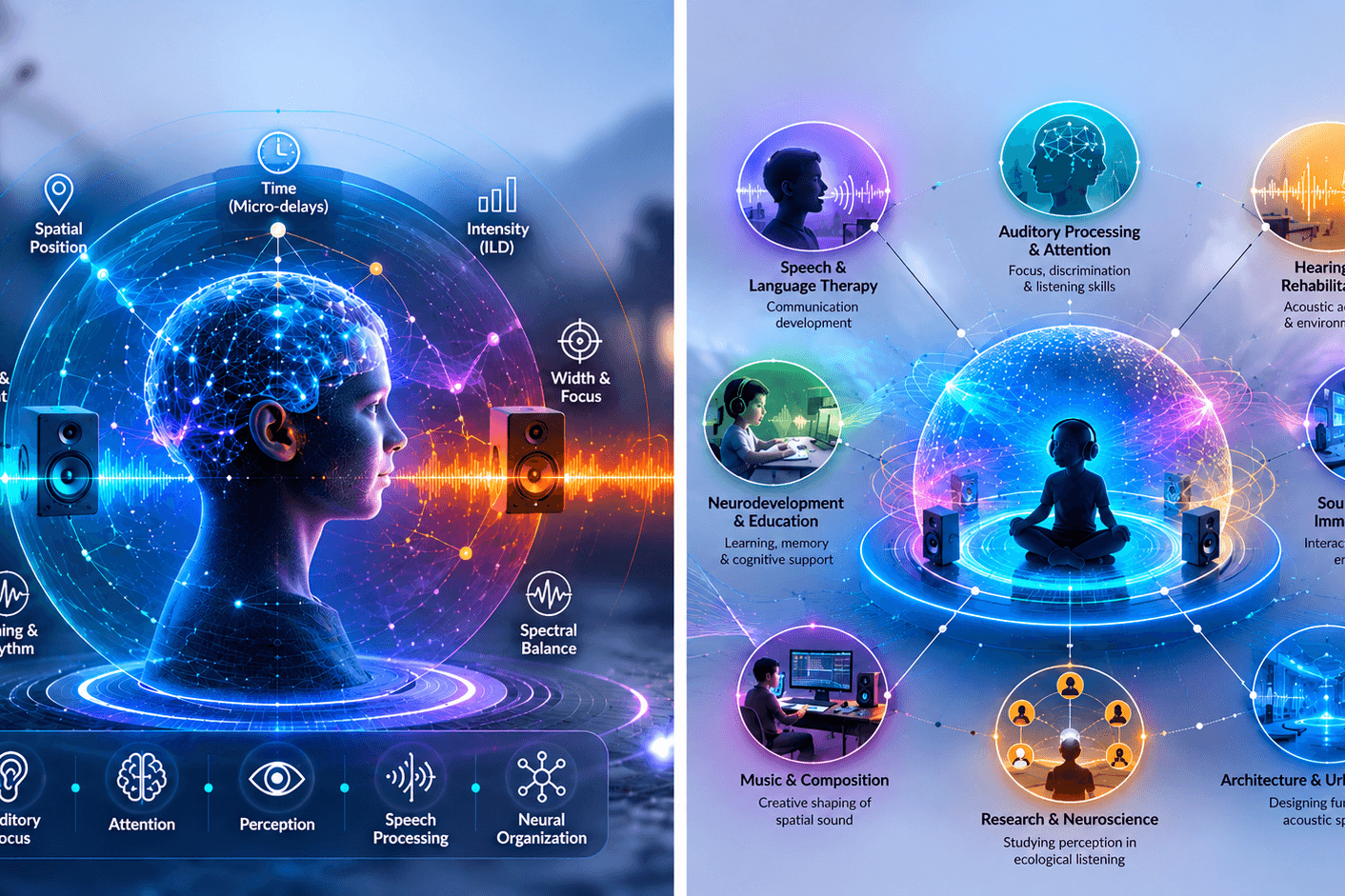
For decades, the acoustic environment in speech and language therapy has largely been treated as a neutral condition — a passive background surrounding communication. My work emerged from a fundamentally different question: What happens when the acoustic field itself becomes intentionally designed?
“sound AS space” — Interview with Gerriet K. Sharma from spæs lab Berlin
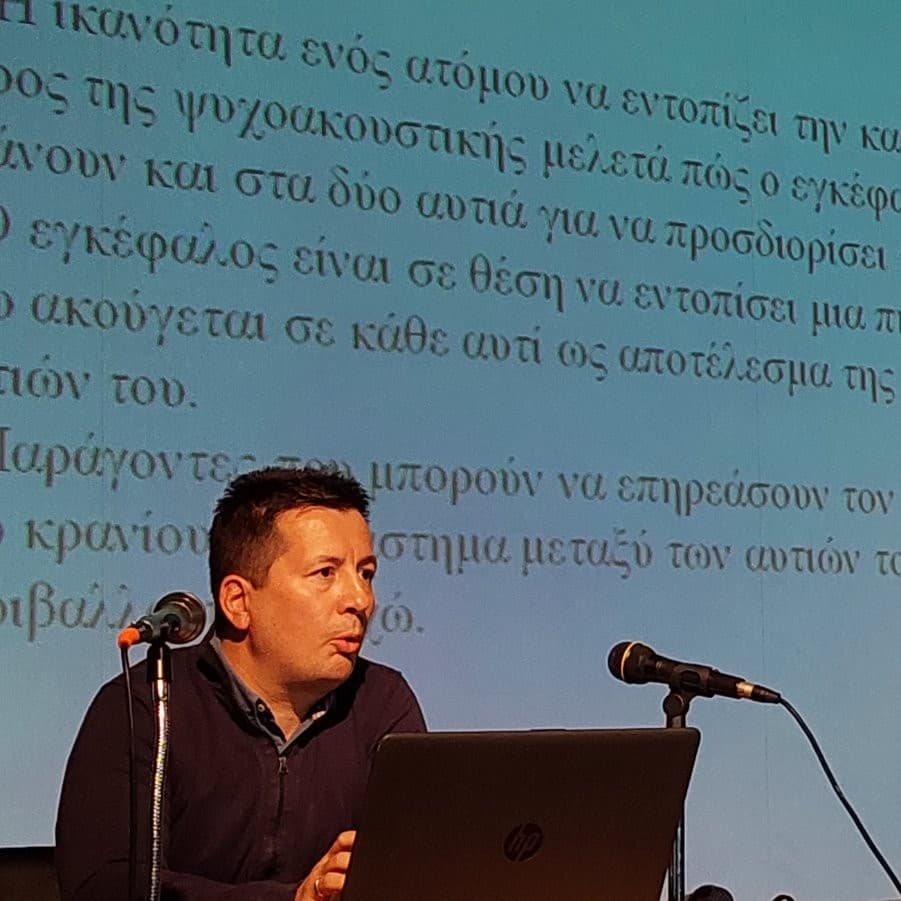
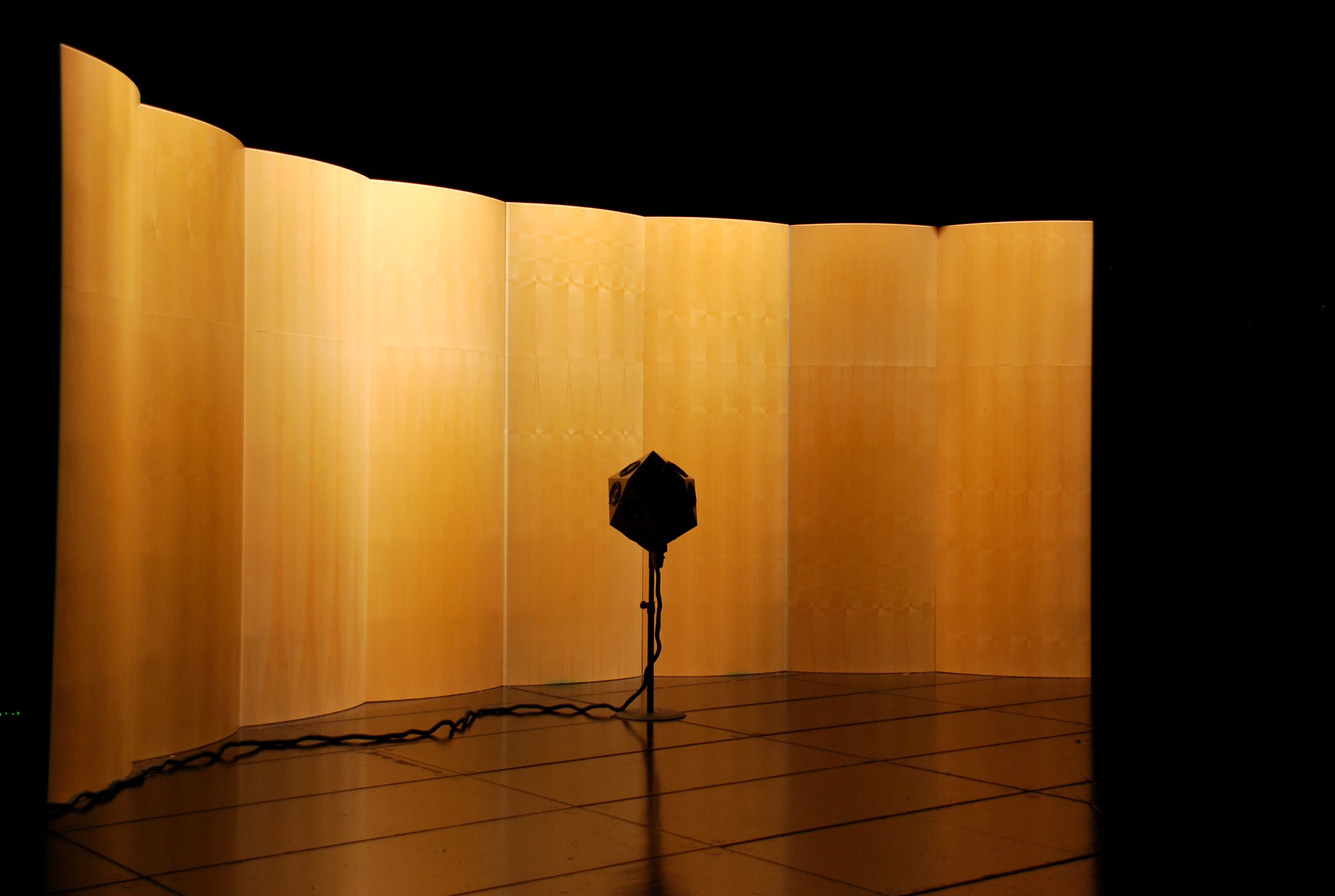
Gerriet K. Sharma works where sound stops coming from speakers — and starts shaping space itself. In this interview, the composer and co-founder of spæs Lab Berlin talks about the IKO loudspeaker system as a genuine instrument, the persistent gap between technical progress and artistic practice, and why 3D Audio means far more than a marketing promise. A conversation about the sculpturality of sound, the future of spatial aesthetics — and the questions nobody in the spatial audio scene is asking out loud yet.

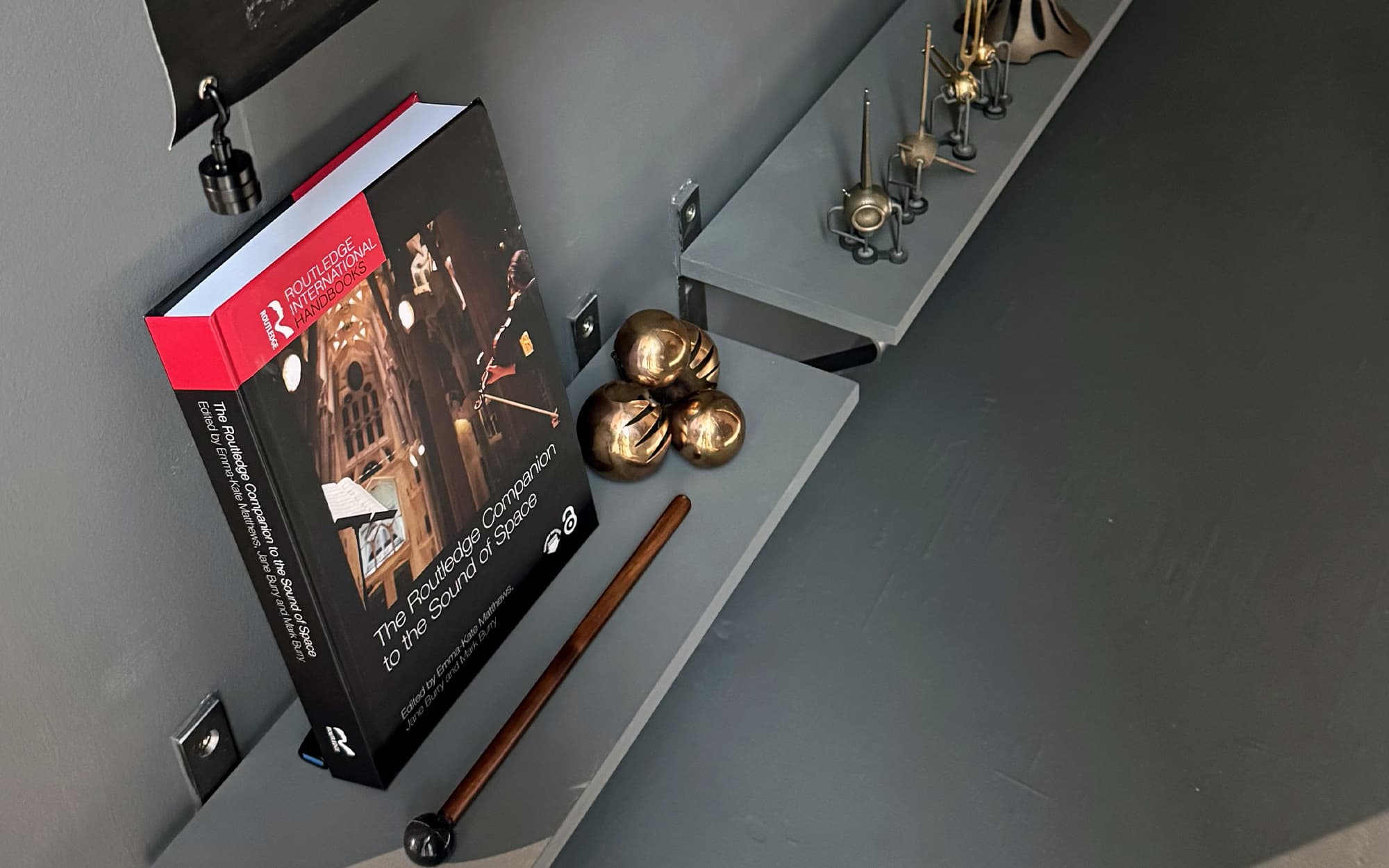
Reflections on The Routledge Companion to the Sound of Space
The Routledge Companion to the Sound of Space is a comprehensive collection of essays and accompanying sonic material written by practitioners and researchers across a wide range of disciplinary fields, addressing both the current state and future trajectories of works where sonic and spatial practices intersect. The volume was edited by myself, an architect, composer and academic, alongside Prof. Jane Burry (University of Adelaide) and Prof. Mark Burry (University of Melbourne), both architects whose work similarly operates across disciplinary boundaries.
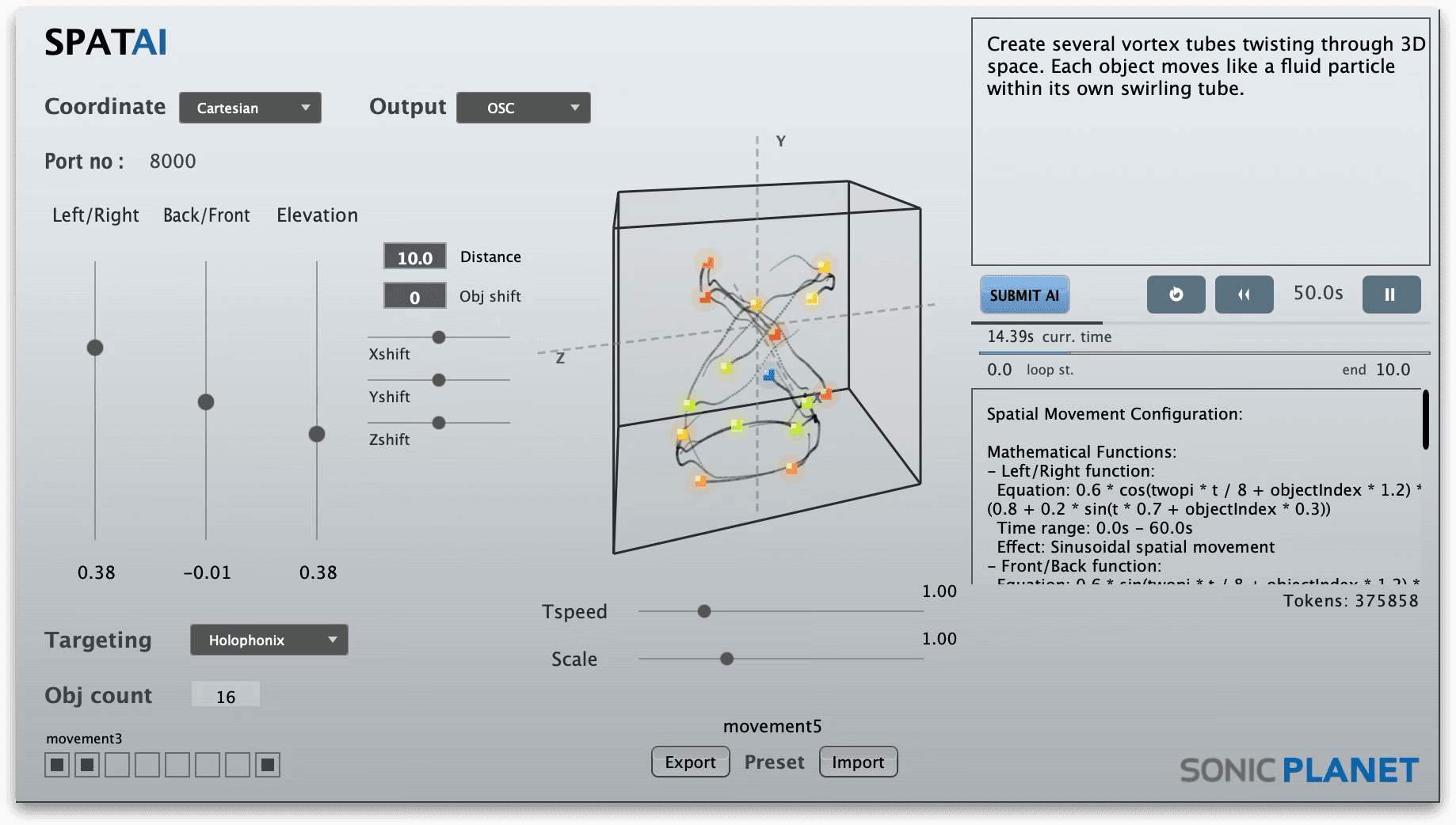
From Semantics to Trajectories: Reimagining the Spatial Audio Workflow with Generative SPATAI
What if you could speak to your panner? SpatAI turns "make a chaotic spiral" into real-time control data, effectively replacing manual labor with algorithmic performance. We analyze how this tool uses AI to bridge the gap between language and spatial object management.

Spatial Audio – A Free Practical Guide for Audio Creators
For anyone with basic audio production knowledge, this free course opens the door to spatial audio. Learn principles, psychoacoustics, and creative applications through interactive lessons and real-world case studies, exploring Ambisonics, Dolby Atmos, and beyond.