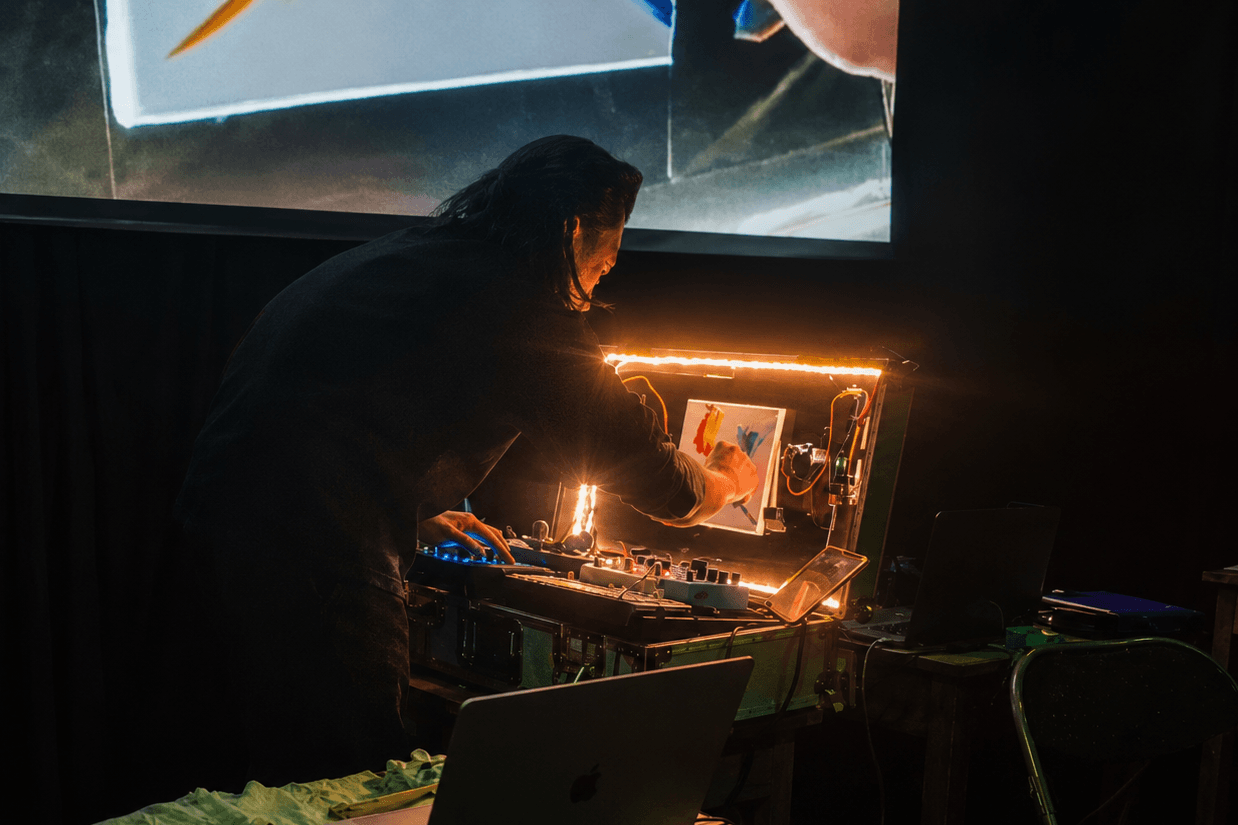
Techno on Canvas combines electronic music production and performance, abstract oil painting, and instrument-making within a single creative project. Through earlier works such as Connected Spirituality and Carefully Improvised Techno, I have explored what happens when these practices are approached not as separate disciplines, but as interconnected parts of the same creative production–performance system. The project emerges from a growing concern with the importance of interdisciplinary human creativity and how we can work meaningfully across art forms, media, senses, and bodies at a time when creative AI is becoming increasingly multimodal and capable of generating and operating across both music and visual art.
Cross-Art: Visual Art - Sonic Art - Literary Art
I first approached interdisciplinarity through music and painting. These art forms organise experience in different ways. Music unfolds through time, repetition, rhythm, density, and anticipation, while painting develops through space, colour, gesture, surface, and accumulation. Bringing them together therefore involves more than placing a visual work beside a musical one. It creates a space where the logic of one art form can influence how another is produced and understood.
In my past works, I explored abstract painting alongside electronic music production. Rather than using painting to illustrate sound, I treated both practices as part of the same compositional enquiry. Improvisation shaped the musical process, abstraction opened the visual work to interpretation, and metaphor provided a way of moving between sound, image, language, and reflection.
From this cross-art practice, I developed a simple framework around three ideas: improvisation, abstraction, and metaphor.
Improvisation foregrounds process, time, responsiveness, and uncertainty.
Abstraction moves away from direct representation and creates space for interpretation.
Metaphor allows meaning to travel between different forms of experience.
The diagram below places these ideas between sonic, visual, and literary art. Rather than defining fixed relationships between them, it suggests different ways in which artistic ideas can move across media.

© Yoonwoo Ha
Improvisation, Abstraction and Metaphors in Cross-Art
What interests me in cross-art practice is therefore not the seamless fusion of disciplines. It is the space between them, where different ways of organising time, space, gesture, image, and meaning begin to influence one another.
Cross-art, in this sense, is not simply about working across several disciplines. It is about allowing one art form to change how another can be perceived, interpreted, and created.
Cross-Medium: Digital Music - Physical Painting
Working across art forms also led me to think more carefully about the media themselves. In Connected Spirituality, I deliberately brought digital music together with physical painting. The contrast was important. One medium is built through software, electronic signal, sequencing and real-time control; the other depends on canvas, tools, touch and material resistance.
I chose to work with real paint rather than a digital visualisation because physical material behaves differently from data. A digital system can repeat an instruction with great precision, but paint does not simply obey. It drags, mixes, accumulates, slips and changes according to the condition of the surface. The result is never completely predictable.
Oil paint makes this relationship especially visible. It is slow, viscous and difficult to control. Marks remain wet, colours mix with earlier layers, and every new action is affected by what is already on the canvas. I was interested in this difficulty because it introduces something that digital systems often try to minimise: friction, resistance and consequence.
There is also a deliberate historical contrast between the two media. Electronic music belongs to a rapidly evolving technological environment, while oil painting carries a long material and artistic tradition. I do not bring them together because they naturally belong together. I bring them together because they do not.
That separation creates a productive tension. Digital music can organise time, repetition and movement with precision, while oil painting records physical contact and accumulation. When the two are connected, neither medium remains completely independent. Musical decisions can produce physical marks, while the developing surface of the painting can influence what happens next in the music.
For me, this is an important part of interdisciplinary practice today. As more creative processes move into digital and increasingly multimodal environments, I am interested in what happens when those systems remain connected to physical materials that resist perfect translation.
Cross-medium practice, in this sense, is not simply about combining digital and physical tools. It is about allowing the differences between them to become part of the creative process.
Cross-Modal: Seeing - Listening
Humans do not always experience the senses as completely separate. We often describe sound through visual or physical qualities. A sound can feel bright, dark, sharp, soft, heavy or spacious. Likewise, an image can appear rhythmic, quiet, tense or energetic. In some people, these connections become especially vivid through synaesthesia, but cross-modal associations are part of perception more broadly.
My practice explores this space between seeing and listening. I have worked with relationships such as time and space, pitch and height, timbre and colour, rhythm and texture, and repetition and rotation. These are not intended as universal translations. They are starting points for constructing a perceptual relationship between sound and image.
Timbre and colour are particularly interesting because both are complex qualities rather than single measurable values. A sound is not simply “blue” or “red”, just as a colour does not contain a fixed musical meaning. The relationship emerges through context, memory, association and repeated experience.
This is why I became less interested in asking whether a mapping is objectively correct. I became more interested in what happens when a relationship is experienced repeatedly. If a certain timbre continually produces a particular colour or movement, seeing that response can begin to alter the way I hear the sound. Listening can influence seeing, and seeing can influence listening.
For me, cross-modal perception is therefore different from simply converting one type of data into another. A system can translate an audio parameter into a visual parameter, and AI can learn or generate associations across sound, image and language. But human cross-modal experience also involves embodiment, memory, attention, culture and subjective perception. The same relationship may therefore mean something very different to another person.
That subjectivity is important to my practice. I am not trying to discover a universal dictionary between music and image. I am interested in how an artist can construct, experience and gradually develop a personal perceptual language between the senses.
Cross-Body: Human Gesture - Machine Movement
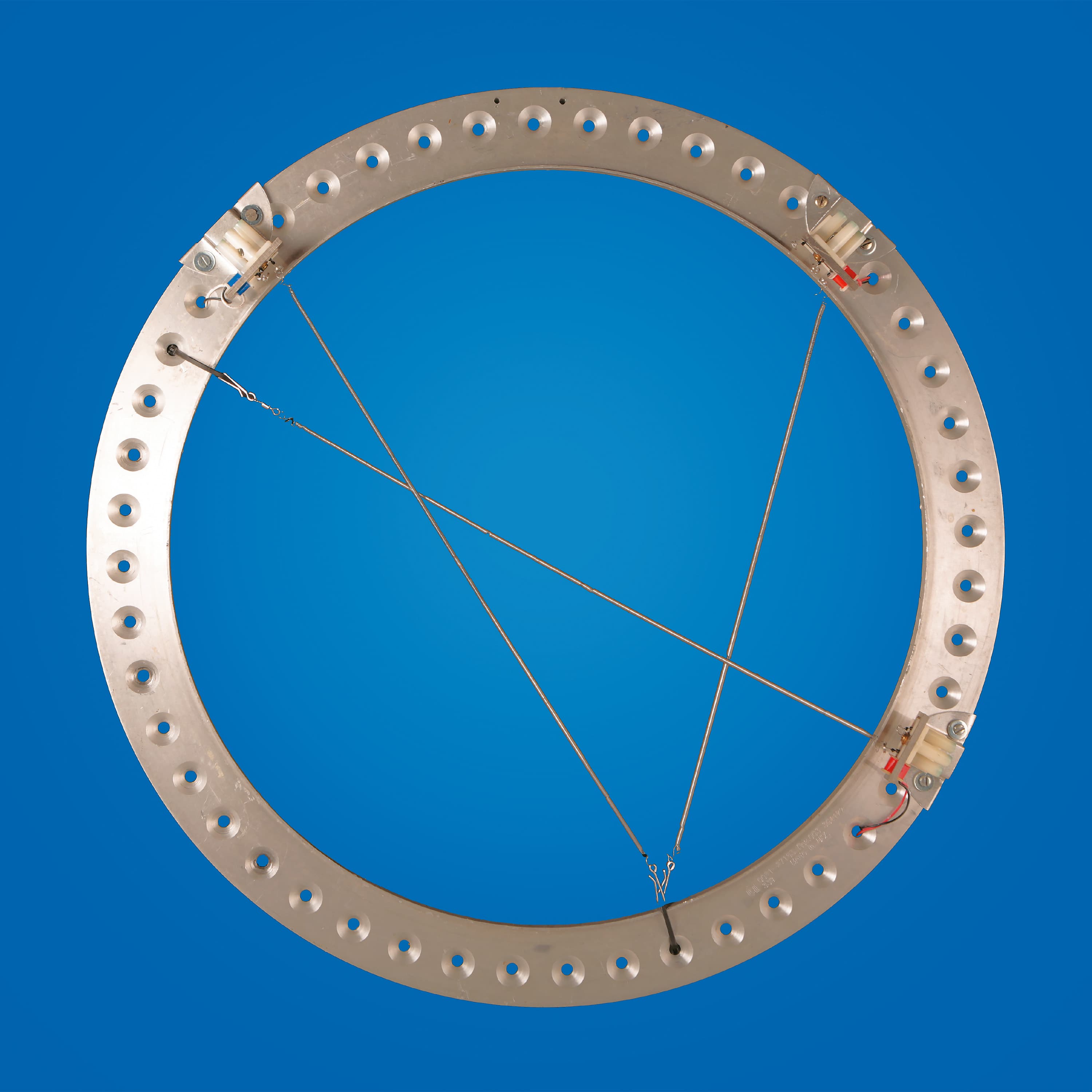
I built the robotic painting instrument because I wanted the connection between music and painting to become something that could be physically performed, not only mapped in software.
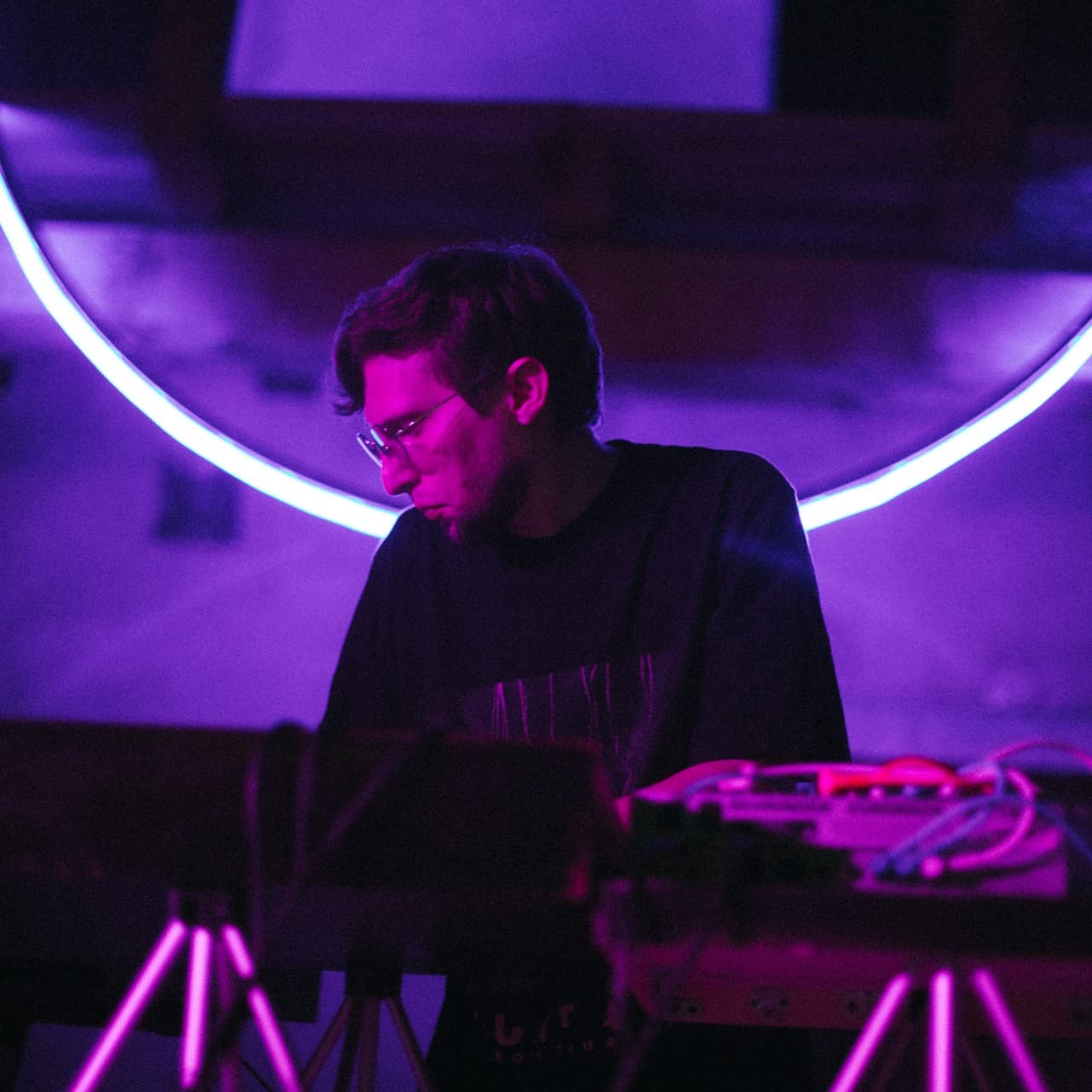
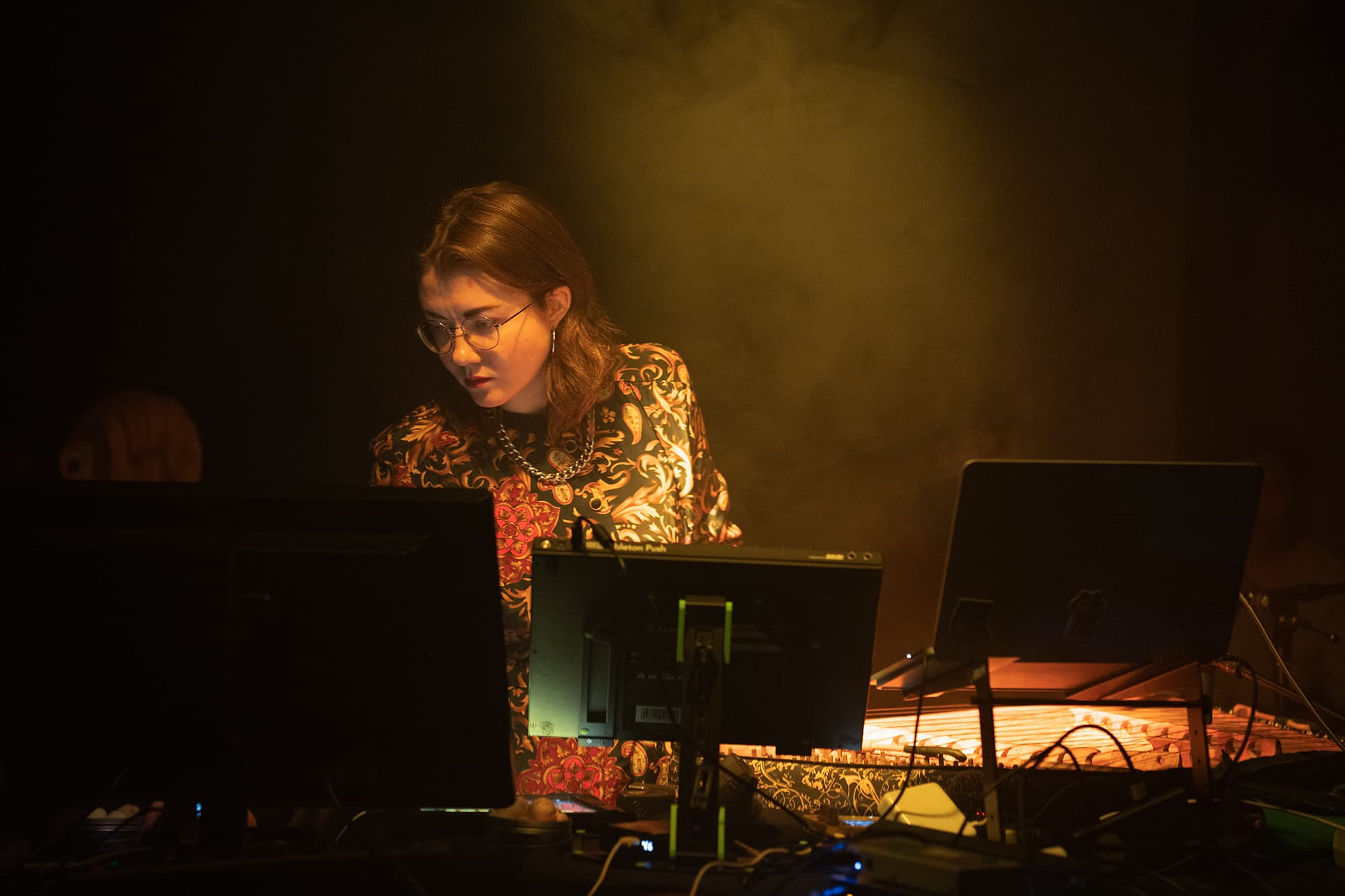
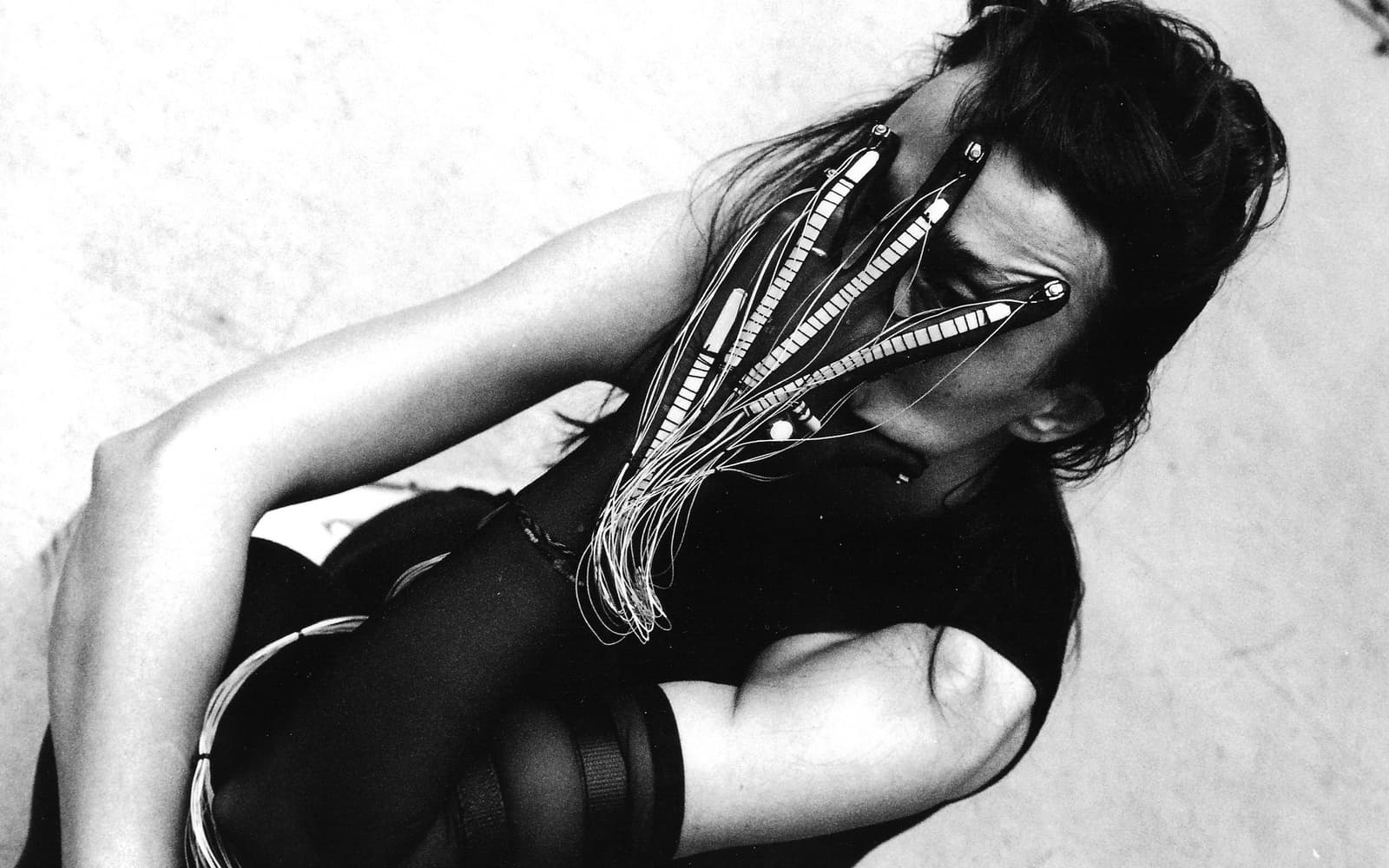
When I perform, my body operates musical instruments and controllers. MIDI carries aspects of those gestures into the painting system, where motors move physical tools across paint and canvas. The machine therefore extends my actions beyond the limits of my own body. A musical gesture can become a mechanical movement, and that movement can leave a physical trace.
This is why I think of the instrument as an extended body. The motors are not there to replace my hands or automate painting independently. They allow my gestures to travel through another physical system, with different speeds, ranges of movement, strengths and limitations.
The process remains embodied because I am continuously responding to what happens. Paint resists, tools slip, surfaces change, and mechanical movements do not always produce exactly what I expect. I see and hear these results, then adjust my next musical and physical decisions. The performance develops through this loop between my body, the machine and the material.
For me, human-machine interaction does not mean that the machine must remain passive. It means that human perception, judgement and intention remain central to the creative process. The machine can extend gesture, introduce resistance and create possibilities that my body alone could not produce, while I continue to interpret and shape what happens.
This is also why embodiment matters when thinking about increasingly intelligent creative technologies. A system may be able to generate, predict or adapt, but creative practice still takes place through bodies that move, sense, respond and make decisions. I am interested in technology not as a replacement for that embodied role, but as a way of extending what a human body can perceive, perform and create.
Cross-Human: Interdisciplinary Artist - Electronic & Electrical Engineer
I do not see the artist and the engineer as separate identities. In my practice, artistic, scientific and technological thinking continuously shape one another. Building an instrument is an engineering process, but deciding how it should behave, what it should express, and how it connects sound, image and movement are artistic questions.
This is also how I understand interdisciplinarity. It is not simply about combining different disciplines, but about thinking across them.
As AI becomes increasingly multimodal, crossing between text, sound, image and video is becoming technically easier. What remains important is the human ability to decide why those connections matter.
This is what interests me about creative AI. Rather than asking AI to imitate my outputs, I am interested in whether it could learn something about the relationships, decisions and ways of thinking through which interdisciplinary work develops.
Conclusion: Why Cross-Practices Matter in the Age of AI
As creative AI becomes increasingly fluent across sound, image, text and moving media, simply working in multiple forms is no longer enough to define interdisciplinary or audiovisual practice. Multimodality can connect different types of media, but connection alone does not create meaning. What matters is how those forms are brought into relation through perception, material, gesture, embodiment, technology and artistic judgement, moving beyond the treatment of sound and image as two coordinated outputs.
The value of cross-practice lies in the human ability to decide what should be connected, how those relationships should behave, and why they matter. Meaning emerges through those choices, not simply from the production of multiple outputs.
This is why I see interdisciplinary audiovisual practice as increasingly important in the age of AI. The question is not whether machines can generate across multiple media. The more important question is how artists can create relationships between those media that are situated, embodied, personal and meaningful.
AI may become increasingly capable of crossing boundaries. What remains distinctly human is the ability to interpret those crossings, shape their relationships and give them genuine meaning.