
My answer begins with curiosity. I have always wanted to explore beyond what I already know. I sometimes imagine that, if I had a thousand years to live, I would spend ten years in each of a hundred different countries. We do not have a thousand years, of course, but the limits of a lifetime should encourage us to make the most of the time we have, rather than stop exploring.
That curiosity has shaped my music. I composed the music and lyrics for Rendezvous, and created about 80 versions in different languages. I also recorded them myself, hoping singers around the world would discover and enjoy the song. I wanted to create a musical meeting place across languages and cultures. The project grew from a simple question: how many ways might people connect through one piece of music?
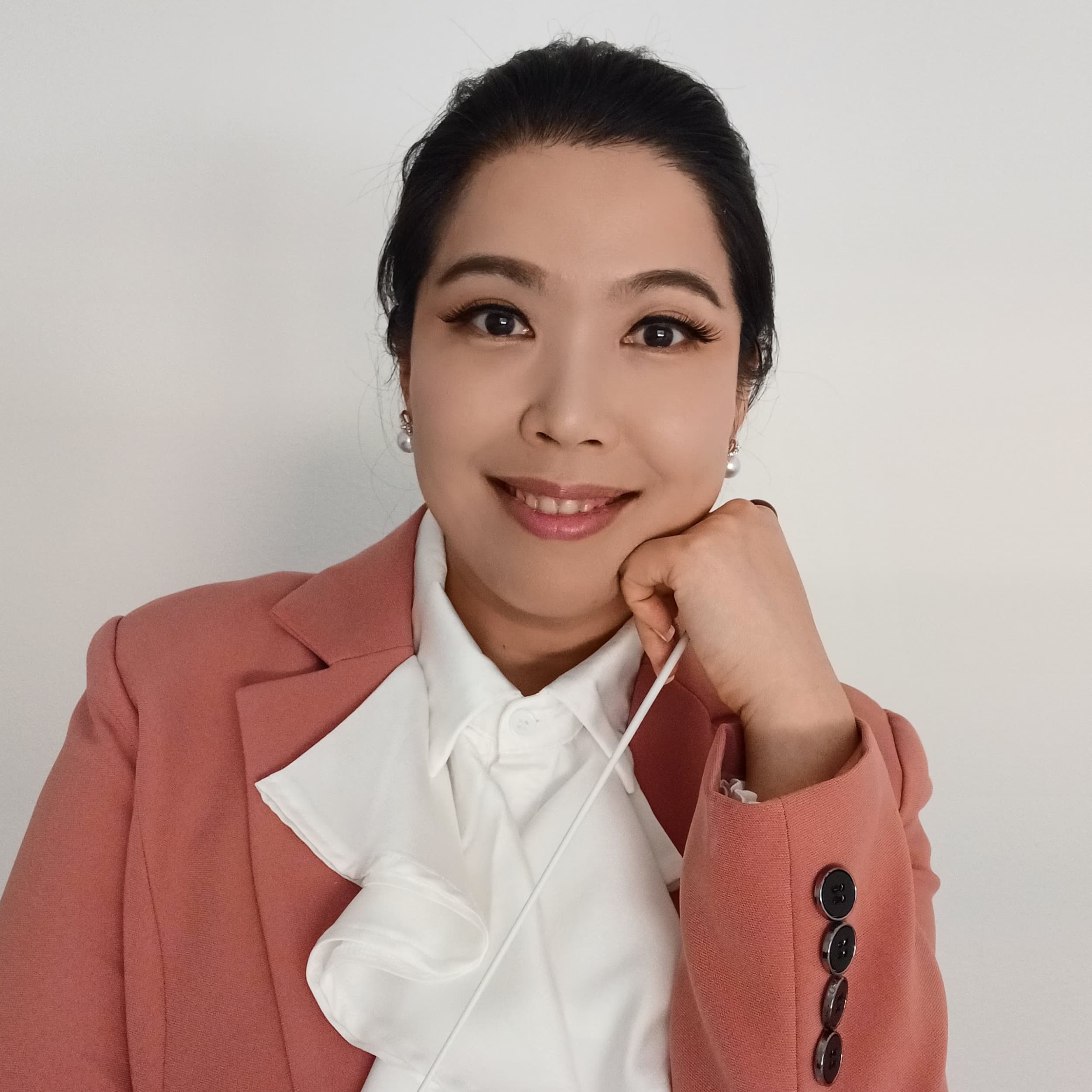
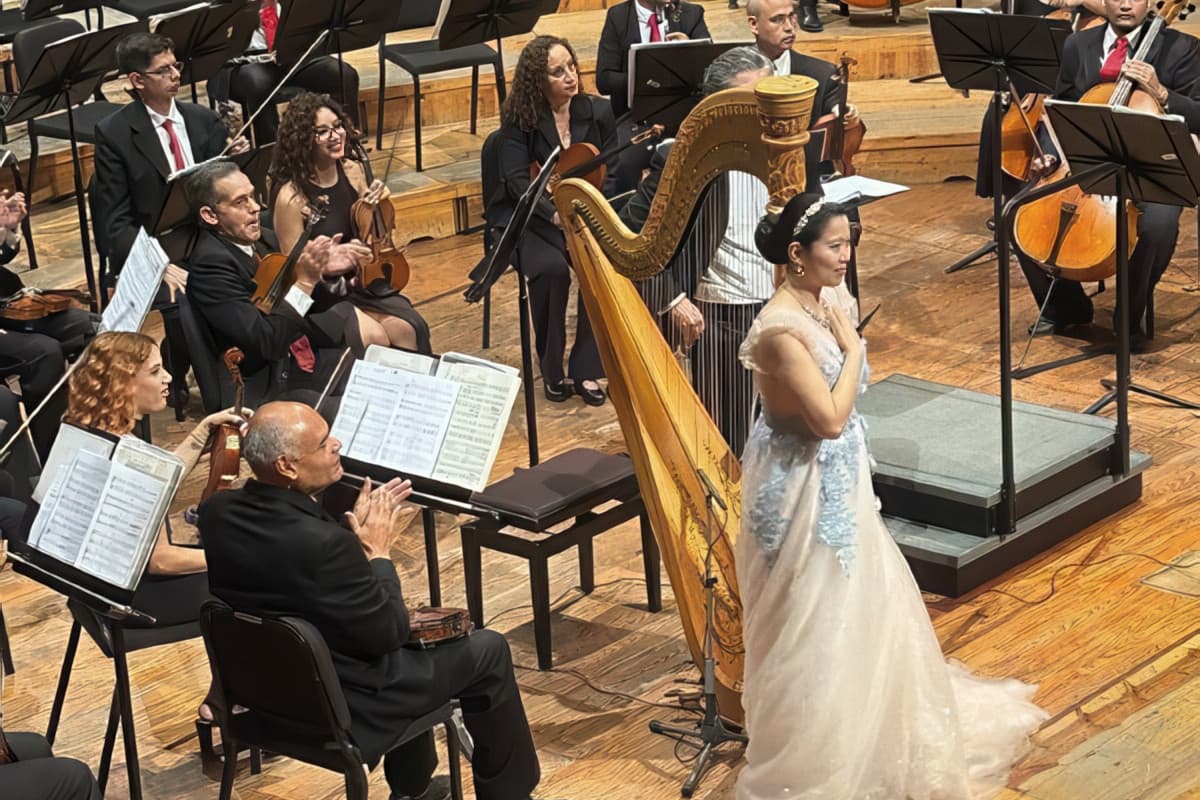
Curiosity has also led me across instruments and musical roles. After beginning with piano, I moved to the harp, and I have challenged myself to perform both harp and piano concertos with orchestra in a single program. The two instruments ask different things of the body and the ear. On the harp, a slight change in touch or finger release can transform a note’s color and resonance. At the piano, the physical relationship to sound, articulation, and musical structure is different. Moving between them means changing how I listen and shape a phrase while remaining true to my artistic voice. Interpretation is never separate from the person making it.
© Tsai Performing Center
Ginastera Harp Concerto Cadenza & 3rd Mvt. by Chaerin Kim, oloist Competition Winner Chaerin Kim performed Ginastera Harp Concerto in Tsai Performing Center in March, 2008.
Having adjudicated more than 120 music competitions, I question whether AI should be entrusted with judging music competitions. These experiences have taught me that music often exists beyond the boundaries of what can be measured. A performer may play every note correctly, maintain impeccable rhythm, and demonstrate extraordinary technical command, yet something essential may remain unspoken. Conversely, a performance containing a small imperfection may reveal a depth of sensitivity, imagination, or vulnerability that resonates long after the final note disappears. I have witnessed young musicians approach the same composition and transform it into entirely different experiences, each shaped by an individual consciousness, an inner world, and a way of understanding life. What, then, are we truly judging when we judge music? Accuracy can be measured, but meaning cannot be prescribed. Technique can be observed, but sincerity cannot be quantified. A scorecard may organize our observations, but it cannot measure the mystery of why one performance awakens something within us while another, despite its perfection, leaves us untouched.
Technology can identify wrong notes, measure rhythmic precision, or assess specific technical criteria. Such tools may help performers and teachers. But a competition performance is not simply a collection of correct notes and technical achievements. Music unfolds through time, in a particular space, before particular listeners.
A performer must respond to the instrument, the hall, and the moment. A concert hall may absorb sound or allow it to bloom; its resonance changes how a phrase carries. The instrument, temperature, and other conditions can affect the strings and the musician’s choices. A tempo or balance that works in one space may not work in another. The performer listens, adjusts, and decides in real time. An adjudicator must hear not only what was played, but how thoughtfully the musician responded to these conditions. Can AI fully recognize that kind of judgment? It may compare sound against measurable standards, but musical interpretation cannot be reduced to a scorecard.
This matters because music is not technique alone. It is one way we share the experiences of our lives. A phrase may carry joy, grief, uncertainty, or hope. These are not labels attached to notes, but meanings shaped by what a performer has lived and imagined.
In an ensemble, a musician may respond to another player’s breath or gesture. A hall’s atmosphere can change how a phrase is offered. These exchanges make performance a living act of attention and response.
Beyond questions of artistic judgment, the development of AI raises important ethical concerns. As AI systems are trained on musical works and recordings, we must ask whose creativity is being used, whether composers and performers are credited and compensated, and whether the communities that sustain musical traditions have a meaningful voice in decisions about their use.
I remain curious about new technologies for the same reason I explore new instruments, languages, and ways of making music: I want to discover what may be possible. But openness to innovation should not mean surrendering our judgment about what matters. AI may generate music and assist with analysis. It may even help us hear patterns we had overlooked. Yet responsibility for interpretation, sensitivity to a particular moment, and the desire to communicate with another human being remain at the heart of musical life.
We cannot live a thousand years or spend ten years in each of a hundred different countries, but through music, we can reach toward experiences beyond our own and invite others into them. The essence of music lies in human connection: one person performing, another listening, and both sharing a moment. At its heart, music is about something beautifully simple: I see you, and you see me.
When I touch the strings of my harp, I am not simply producing notes. I bring a lifetime of listening, practice, curiosity, and feeling into a moment shared with an audience. That is what I hope we protect. Not music untouched by technology, but music that never loses sight of the human beings who give it meaning.
© Chaerin Kim
Marguerite Douloureuse Au Rouet Op. 26, Chaerin Kim (2010).